
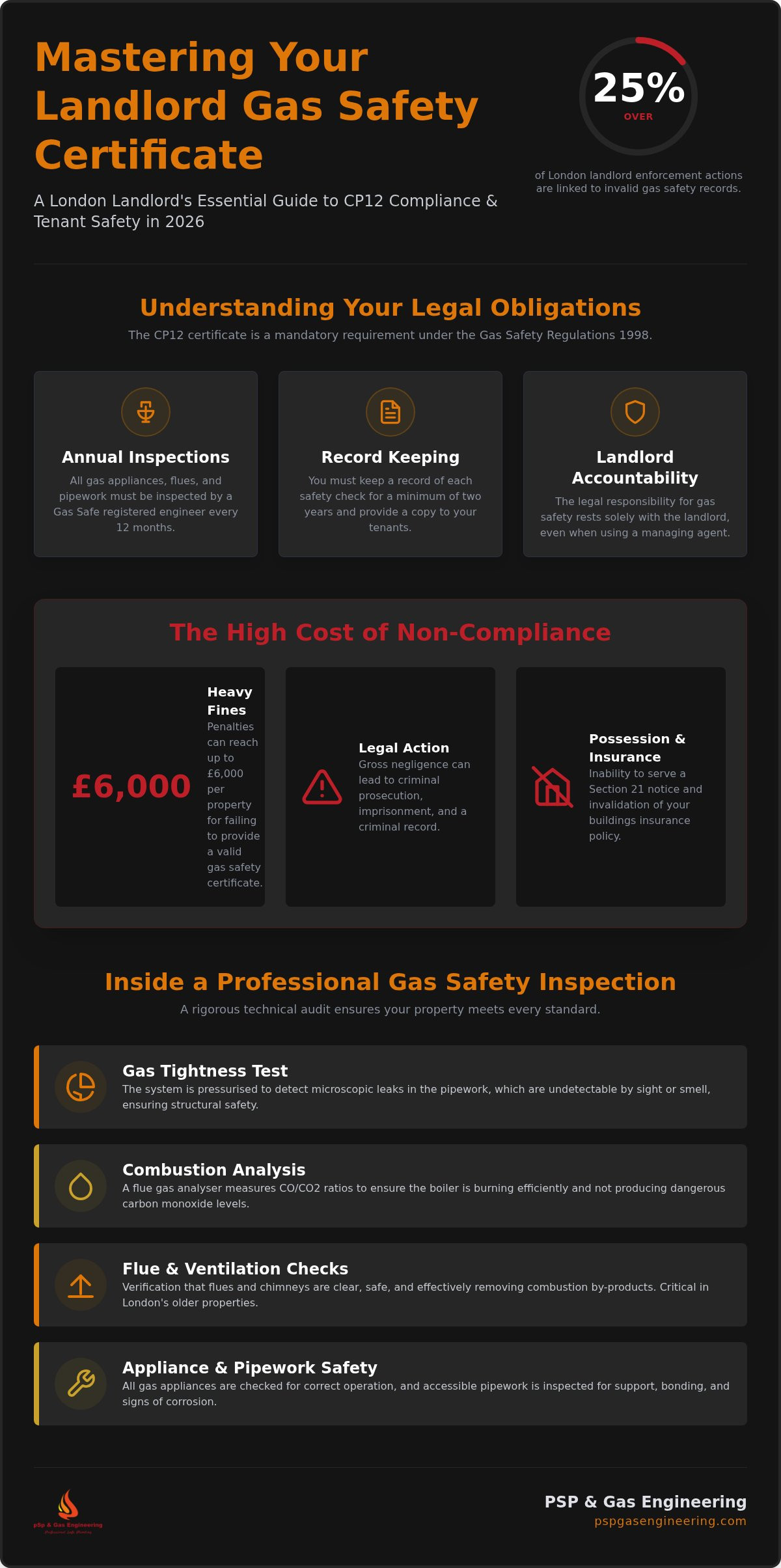
Did you know that over 25% of landlord enforcement actions across the capital are now directly linked to expired or invalid gas safety records? Managing a rental property in London is inherently complex, and the pressure to maintain a valid landlord gas safety certificate London whilst navigating the technical quirks of Victorian flues or intricate modern systems can be a significant source of anxiety. You likely feel the weight of responsibility for your tenants' safety, yet the fear of a £6,000 fine for a minor oversight remains a constant concern for even the most diligent property owners.
We understand that you need more than just a tick-box exercise; you require a "safe pair of hands" to ensure your property meets every rigorous standard. This guide will help you master your legal obligations and ensure total tenant safety by providing a clear, expert roadmap to Gas Safe compliance in 2026. We will explore the latest regulatory requirements, the specific technical challenges of London's unique housing stock, and how to secure precise documentation quickly so you can focus on managing your investment with absolute peace of mind.
Key Takeaways
- Understand the specific 2026 legal requirements for a landlord gas safety certificate London to avoid heavy fines and ensure full compliance with the Gas Safety Regulations 1998.
- Learn exactly what a Gas Safe registered engineer checks during a comprehensive assessment, from appliance performance to the integrity of pipework.
- Discover why London’s older properties require specialised flue inspections and how advanced video diagnostics can identify hidden risks that standard visual checks miss.
- Gain practical advice on streamlining the inspection process by coordinating with tenants and preparing your property for a smooth, efficient visit.
- Recognise the importance of choosing a technical expert who provides forensic diagnostics, protecting your property from future emergency call-outs.
Understanding Your Legal Obligations: The Landlord Gas Safety Certificate
Securely managing a rental property starts with understanding the legal framework that protects both the resident and the owner. The document officially known as the Landlord Gas Safety Record, or more commonly the CP12, is a mandatory requirement under the Gas Safety (Installation and Use) Regulations 1998. This legislation dictates that every gas appliance, flue, and pipework system within a let property must be inspected by a qualified professional every year. For those managing a landlord gas safety certificate London, the stakes are particularly high due to the city's diverse and often ageing housing stock.
London’s architectural history presents specific technical hurdles that aren't found in newer developments. Many properties are converted Victorian terraces or Edwardian blocks where gas flues are often concealed within voids or shared chimneys. These legacy systems require a more forensic approach than modern new-builds. Compliance isn't just about obtaining a signature; it's about verifying that these older systems remain safe under contemporary standards. Landlords must renew this certificate every 12 months and keep records of each check for at least two years.
Who is Responsible for Gas Safety in a Rental?
The law places the ultimate burden of safety on the landlord. Whilst managing agents often coordinate the logistics, the property owner remains legally accountable for ensuring the inspection occurs. Tenants have a duty to allow access for these essential safety checks, provided they've been given sufficient notice. If you manage a portfolio across Greater London, staying ahead of these dates is vital. It's useful to remember that whilst you aren't responsible for a tenant's own gas appliances, you are still responsible for the safety of the pipework that supplies them.
Penalties for Non-Compliance in 2026
Neglecting these duties carries severe consequences that extend beyond financial loss. As of 2026, failure to produce a valid CP12 can result in fines reaching £6,000 per property, and in cases of gross negligence, criminal prosecution is a real possibility. Perhaps most critically for property management, you cannot legally serve a Section 21 notice to regain possession of your property if you haven't provided your tenant with the current safety record. Your buildings insurance is also likely to be invalidated if a gas-related incident occurs in a property without a valid certificate, leaving you entirely exposed to the costs of repair and liability.
What Happens During a Professional Gas Safety Inspection?
When our Gas Safe registered engineer arrives at your property, they begin a systematic evaluation of the entire gas installation. This process is far more than a cursory glance; it's a rigorous technical audit designed to meet your legal obligations for landlords and secure a valid landlord gas safety certificate London. The most critical starting point is often the gas meter and the "tightness test". This procedure involves pressurising the system to detect even the most microscopic leaks that are otherwise undetectable by smell or sight. Identifying these tiny drops in pressure is essential for preventing long-term hazards and ensuring the structural safety of the property.
Securing a landlord gas safety certificate London requires this level of precision, especially in older buildings where pipework may have settled or aged over decades. Our engineers also conduct thorough visual and functional checks of the meter and all accessible pipework. We ensure everything is securely supported, properly bonded, and free from corrosion that could lead to future failures.
The Technical Checklist: From Burners to Ventilation
A core component of the inspection is the combustion analysis. By using advanced flue gas analysers, we measure the ratio of carbon dioxide to carbon monoxide. This ensures that the boiler is burning fuel efficiently and, crucially, not producing dangerous levels of CO. We also measure standing and working gas pressures. In many London properties, older pipework may be undersized for modern high-output boilers. If the pressure drops too significantly when the appliance is running, it indicates a restriction or a sizing issue that could lead to incomplete combustion. Adequate permanent ventilation is also verified; without a constant supply of fresh air, even the best-maintained appliance can become a safety risk to your tenants.
Assessing Safety Devices and Controls
Safety is often found in the smallest components. We test flame failure devices on hobs and ovens to ensure the gas supply cuts off immediately if the flame goes out. For boilers, we verify that safety valves and expansion vessels are functioning correctly to prevent over-pressurisation. Finally, we check the placement and operation of carbon monoxide alarms. These devices are your last line of defence. If you have concerns about the technical health of your heating system, our team at PSP & Gas Engineering can provide a detailed assessment beyond the standard certificate requirements.
Beyond the Checkbox: The Critical Importance of Flue Integrity
While a standard inspection covers the appliance's internal components, the integrity of the flue system is often the most critical yet overlooked aspect of obtaining a landlord gas safety certificate London. In London’s vast stock of Victorian and Edwardian properties, flues are frequently routed through original masonry chimneys. These structures were designed for coal fires, not the high-efficiency, moisture-rich exhaust of modern gas boilers. Over decades, the acidic condensate from gas combustion can degrade mortar joints from the inside out. This process creates invisible pathways for toxic gases to migrate into floor voids or adjacent rooms. A standard visual check, which only examines the visible terminal and the connection to the boiler, cannot identify these internal structural failures.
London's unique architectural landscape means many flues are "landlocked" within the centre of converted buildings. These configurations are prone to specific failures that simple tools cannot detect. Between 2023 and 2025, the London Fire Brigade recorded over 400 gas-related emergency call-outs linked to poor maintenance. Many of these incidents originated from flue defects that were simply missed during basic, checkbox-style assessments. Only a forensic technical audit can guarantee the safety of these complex venting systems.
Video Inspections: Seeing the Unseen
Traditional inspections are limited to what an engineer can see from the appliance or the roof terminal. We utilise advanced video diagnostics to bridge this gap. By inserting high-definition cameras into the flue, we can identify structural collapses, crumbling liners, or hidden obstructions like bird nests and soot build-up without causing any damage to the building's fabric. This technology is particularly vital for flues that run through multiple floors in high-rise conversions. Video diagnostics are essential for preventing carbon monoxide back-flow into the living space by ensuring a completely unobstructed and airtight path for combustion products.
Flue Relining and System Design
If a flue fails its integrity test, it doesn't always mean the entire heating system must be replaced or condemned. Flue relining offers a sophisticated technical lifeline. By inserting a flexible, high-grade stainless steel or polymer liner, we create a new, sealed conduit within the existing masonry. This restores the system to full compliance and safety without the need for disruptive structural work. This approach is often the only viable way to achieve compliance in listed buildings or conservation areas across London where external modifications are strictly forbidden. Expert system design ensures that even the most challenging converted flat remains a safe environment for your tenants.
Preparing Your London Property for a Successful CP12 Assessment
A successful inspection requires more than just booking an appointment; it demands methodical preparation to ensure a first-time pass. To secure your landlord gas safety certificate London without unnecessary delays, a few proactive steps can make a significant difference. One of the most frequent causes for an aborted visit is simply the lack of gas. If your property uses a pre-payment meter, please ensure it has sufficient credit. Without a live gas supply, our engineers cannot perform the mandatory tightness tests or combustion analysis. This results in a wasted visit and potential re-booking fees, which are easily avoided with a quick check of the meter balance.
In the dense architectural landscape of London, space is often at a premium. However, the Gas Safety Regulations require that engineers have clear, unobstructed access to all gas appliances and the meter itself. If your boiler is located in a cramped cupboard or behind a kitchen unit, ensure that any stored items are moved before the engineer arrives. This allows for a thorough visual inspection of the pipework and casing, ensuring no detail is overlooked.
The Pre-Inspection Checklist for Landlords
Before the day of the assessment, take a moment to walk through your property and verify the following points:
- Clear all clutter: Ensure there is at least a one-metre radius of clear space around the boiler and gas meter.
- Test basic functionality: Confirm that gas hobs, fires, and the boiler are actually in working order. If an appliance won't light, the engineer cannot complete the safety test for that unit.
- Locate flue terminals: Identify where the flues exit the building. If you have recently installed scaffolding or an extension, ensure the terminal hasn't been obstructed, as this is a common reason for immediate failure.
Managing Tenant Communication
Cooperation from your tenants is vital for a smooth inspection. Legally, you must provide at least 24 hours' notice before an engineer visits, though giving a few days' warning is often better for maintaining a good relationship. Frame the visit as a safety benefit rather than a legal chore. When tenants understand that the check is designed to prevent carbon monoxide leaks and ensure their personal safety, they are far more likely to provide access and clear the necessary space. Once the inspection is complete and you have received your landlord gas safety certificate London, remember that you are legally required to provide a copy to your current tenants within 28 days. For new tenancies, the certificate must be provided before they move in.
If you are ready to ensure your property meets every safety standard, you can book your Gas Safe inspection with our expert team today.
Why Expert Gas Engineering Matters for London Landlords
Selecting the right professional for your annual inspection is a decision that impacts the long-term safety and viability of your property. Whilst the market is saturated with low-cost "certificate providers" who offer a cursory glance at your boiler, there is a profound difference between a basic tick-box exercise and a forensic engineering audit. A qualified gas engineer doesn't just look for an immediate pass; they look for the subtle technical indicators of future failure. By identifying these issues early, you avoid the disruption and significant expense of emergency call-outs during the peak of winter. Choosing a technical authority for your landlord gas safety certificate London ensures that your heating system remains a reliable asset rather than a liability.
Our deep-rooted expertise in South London and Croydon allows us to navigate the specific challenges of the local housing stock with precision. National aggregators often lack the nuanced understanding required for complex London installations, where space is restricted and systems are frequently interconnected. We treat every inspection as a critical safety mission, providing a level of detail that protects your tenants and your professional reputation. This methodical approach is what defines a "safe pair of hands" in a high-stakes industry, giving you the confidence that your legal duties are being handled by meticulous professionals.
The PSP & Gas Engineering Approach
We believe that safety is rooted in integrity and technical proficiency. Our engineers take immense pride in their workmanship, ensuring that every joint, seal, and safety control is verified against the highest industry standards. We specialise in the complex diagnostics that others often overlook, such as identifying early-stage heat exchanger fatigue or subtle flue degradation in older masonry chimneys. This commitment to excellence means we don't just provide a document; we provide a comprehensive health check for your property's gas infrastructure. Our local presence ensures we remain a dependable partner for landlords who value quality and reliability over the cheapest possible price.
Booking Your 2026 Gas Safety Check
Securing your property is a straightforward and transparent process. You can request a quote and book your inspection through our streamlined system, designed to fit around the busy schedules of London property managers. Following the assessment, you will receive a detailed digital CP12 report. This document provides a clear, logical overview of every appliance tested, along with any professional recommendations for future maintenance. This clarity allows you to plan ahead and maintain your portfolio with total confidence. To ensure your compliance is handled by seasoned experts, Secure your London property today with PSP & Gas Engineering.
Securing Your Property with Expert Technical Oversight
Achieving full compliance for your landlord gas safety certificate London is a significant responsibility that requires technical precision and a proactive approach. Ensuring the safety of your tenants involves more than a simple visual check; it demands a forensic audit of every appliance and a deep understanding of London's unique flue systems. By prioritising meticulous workmanship and utilising advanced diagnostics, you protect your investment from the risks of non-compliance and hazardous faults.
Our Gas Safe registered engineers bring expert local knowledge of London properties to every assessment, providing the "safe pair of hands" your portfolio requires. We utilise specialised flue video inspection equipment to identify hidden defects in older buildings, ensuring that your property remains a secure environment. You can take the first step towards total peace of mind by contacting our team today.
Book your Landlord Gas Safety Certificate with PSP & Gas Engineering to ensure your technical requirements are handled by a responsible and highly qualified professional. We look forward to helping you maintain a safe, efficient, and compliant property.
Frequently Asked Questions
How much does a landlord gas safety certificate cost in London?
The cost of a landlord gas safety certificate London typically depends on the number of gas appliances and the property's location within the capital. Most providers offer tiered pricing based on whether you have a single boiler or multiple items like gas hobs and fires. It's best to request a quote that reflects your specific inventory to ensure a fair, fixed fee for the inspection.
Is a boiler service included in a gas safety certificate?
A gas safety certificate is a compliance inspection and does not include a full boiler service. Whilst the safety check verifies that the appliance is operating without immediate danger, a service involves deep cleaning and preventative maintenance of internal components. We recommend conducting both simultaneously to ensure long-term efficiency and full legal compliance with safety standards.
Can a tenant refuse access for a gas safety check?
Tenants are legally required to provide access for essential safety checks, provided they've received at least 24 hours' written notice. If a tenant repeatedly refuses, you should document your attempts to gain entry and seek legal advice to protect your position. Maintaining open communication about the safety benefits often resolves these issues before they escalate into a legal dispute.
What happens if my London property fails the gas safety inspection?
If a property fails, the engineer will categorise the fault as either "At Risk" or "Immediately Dangerous". For serious hazards, the gas supply to the appliance or the entire property may be disconnected for safety. You must rectify these defects immediately to remain compliant and ensure the property is safe for habitation.
Do I need a gas safety certificate if there are no gas appliances?
You only require a certificate if there are gas appliances or pipework within the property. If the gas supply has been physically capped at the street or the meter has been removed, a CP12 is not necessary. However, if a meter and pipework are present, a safety check ensures the installation remains tight and leak-free.
How long does a landlord gas safety inspection take?
A standard inspection usually takes between 30 and 60 minutes to complete. This timeframe varies depending on the number of appliances and the ease of access to the meter and flue terminals. Our engineers work methodically to ensure a thorough audit without causing unnecessary disruption to your tenants' daily routine.
Does the CP12 certificate cover the gas meter and pipework?
Yes, the CP12 inspection includes a rigorous check of the gas meter and all accessible pipework. The engineer performs a tightness test to confirm there are no leaks in the system. They also verify that the pipework is correctly supported and that the meter is in a safe, accessible condition for the user.
Can I use a plumber who is not on the Gas Safe Register?
It is illegal for anyone not on the Gas Safe Register to perform safety checks on gas installations. You must always verify an engineer's credentials by checking their ID card before any work begins. Using an unregistered person invalidates your insurance and exposes you to severe legal penalties and significant safety risks.


